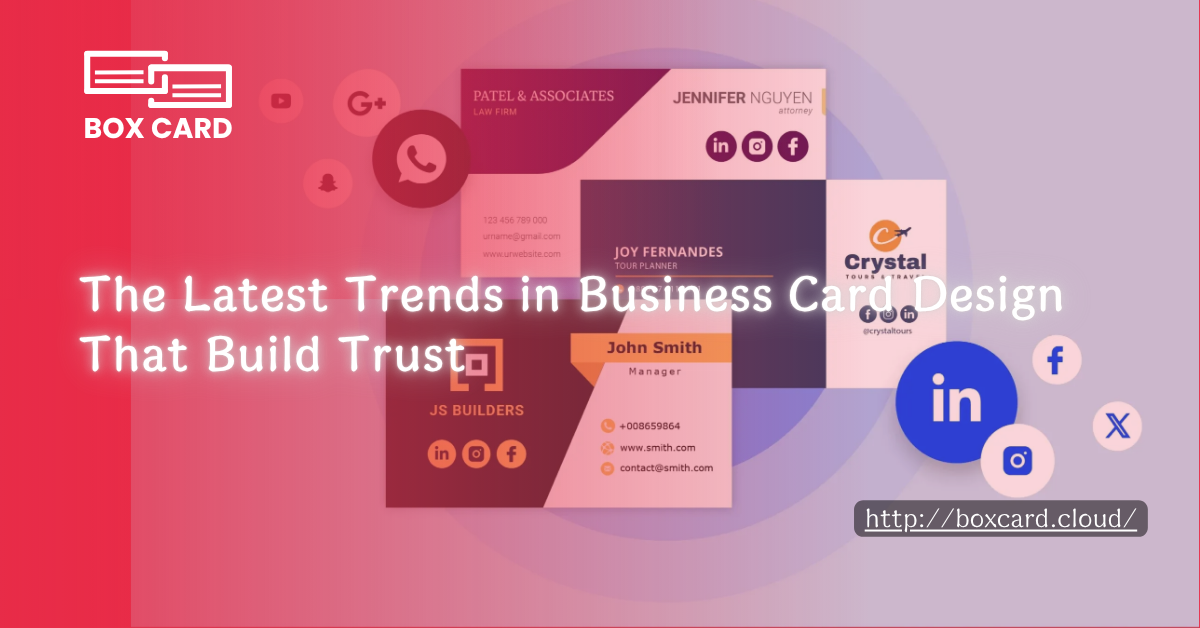
In 2026, the strongest business card designs are no longer defined by how they look, but by how instantly they communicate trust, clarity, and brand credibility at first glance.
1. Minimalism With Intentional Structure
Minimalist design continues to dominate, but the focus in 2026 is not emptiness — it is intentional reduction.
Key principles include:
- ・Strong use of white space to create clarity and visual order
- ・Carefully selected high-legibility typography
- ・Limited font weights and structured spacing
This approach makes information easier to scan and gives an immediate sense of professionalism and control.
Minimalism is not about removing content — it is about removing noise while keeping clarity intact.
2. Consistency Across the Entire Brand System
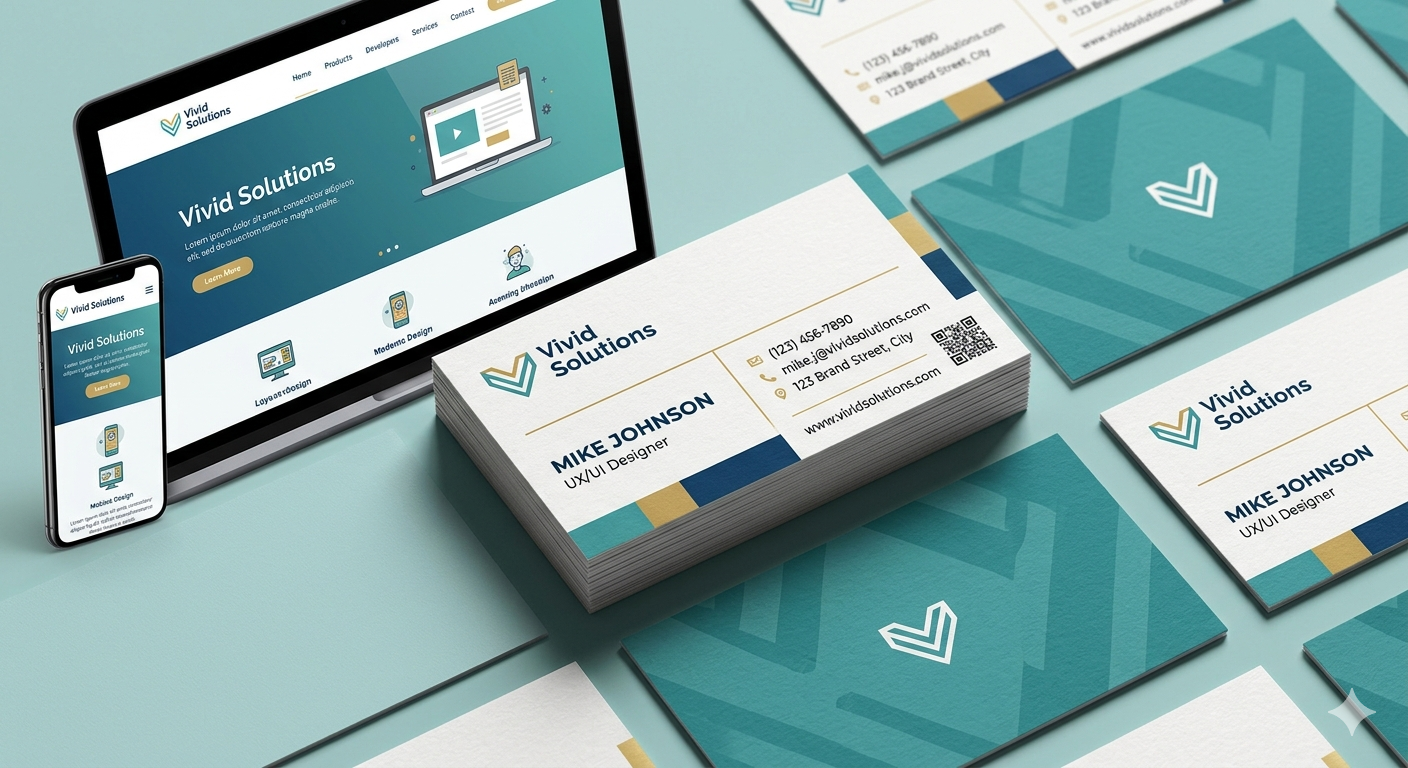
Trust increases when the business card feels like part of a larger, unified system.
In 2026, a strong business card design aligns with:
- ・Website visual identity
- ・Brand color system
- ・Typography and layout logic
Consistent use of these elements makes the card feel intentional rather than standalone or improvised.
When every touchpoint follows the same visual language, it signals a more mature and reliable organization.
3. Premium Materials and Tactile Quality
Physical feel plays a major role in perceived trust.
Modern business cards increasingly use:
- ・Thick, high-quality cardstock
- ・Matte or soft-touch finishes
- ・Embossing, foil accents, or subtle texture details
These tactile elements create a stronger impression during real-world interactions.
A well-crafted card communicates attention to detail and reinforces the idea of a serious, established business.
4. Neutral Color Systems With Controlled Accents
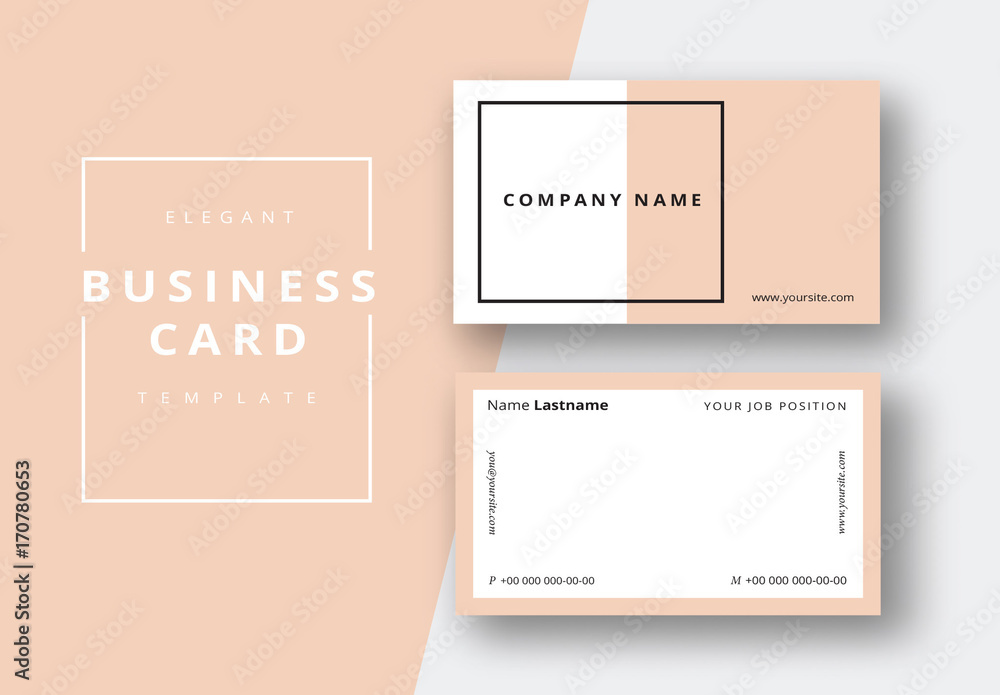
Color usage in 2026 is becoming more restrained and intentional.
Common patterns include:
- ・Neutral palettes such as black, white, grey, and navy
- ・Minimal use of accent colors
- ・Controlled contrast for readability
This design direction creates a stable and professional impression, particularly suited for B2B, consulting, finance, and corporate environments.
Color is no longer decorative — it is functional and brand-defining.
5. QR Code Integration as a Functional Layer
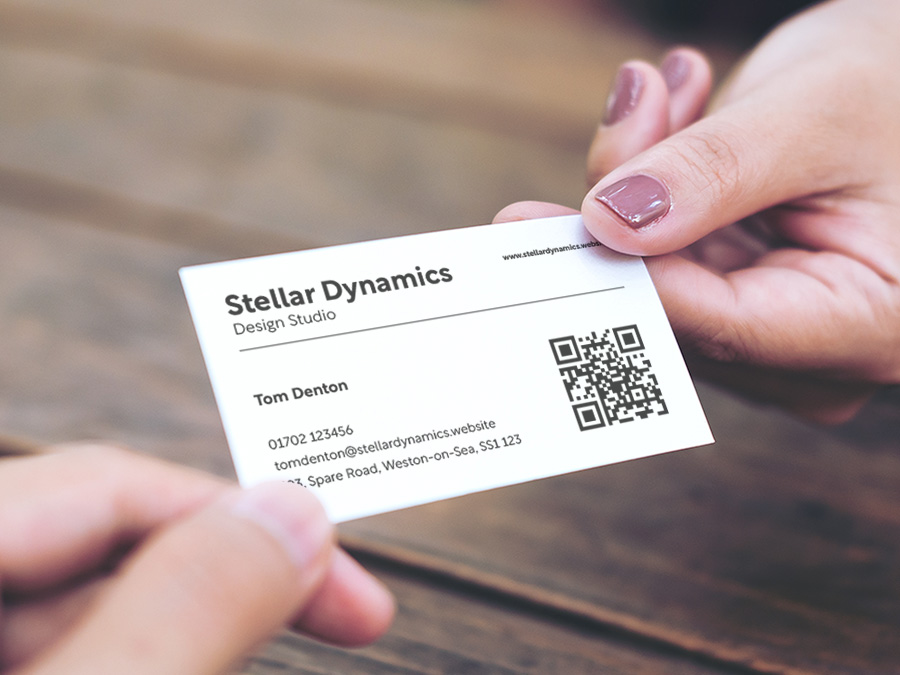
QR codes are now a standard component of modern business cards when used correctly.
Best practices focus on:
- ・Small, well-positioned QR codes that do not dominate the layout
- ・Clean integration into the design system
- ・Linking to portfolios, profiles, or contact pages
The role of QR codes is not visual impact, but functional transition from physical to digital identity.
When implemented properly, they allow real-time access to updated information without relying on printed data.
6. Unified Card Systems Across Roles
For companies with multiple employees, standardized card systems are becoming the norm.
This includes:
- ・Shared grid structures
- ・Consistent typography
- ・Unified color systems
Only minor elements such as job titles or identifiers change between roles.
This approach reinforces organizational structure and presents a coherent brand identity across the entire team.
7. Subtle Trust Signals and Professional Cues
Trust is often built through small, intentional details rather than large design decisions.
Common elements include:
- ・Clear company information such as address or registration details
- ・Professional portraits for client-facing roles
- ・Simple and readable identity presentation
These details function as credibility markers, reinforcing legitimacy without visual exaggeration.
8. Sustainability as a Design Expectation
Sustainable materials are becoming an expected part of modern business card design.
Common choices include:
- ・Recycled or certified paper stock
- ・Eco-friendly inks and production methods
- ・Minimal plastic or coating usage
Sustainability signals responsibility and long-term thinking, contributing to brand trust beyond aesthetics.
9. What These Trends Indicate About Trust in 2026
Across all directions, business card design trends point to a clear shift in priorities.
Trust is now built through:
- ・Clear and structured information design
- ・Premium physical execution
- ・Consistent brand identity across touchpoints
- ・Functional integration with digital systems
Business cards are no longer just visual artifacts. They are condensed representations of brand credibility and operational maturity.
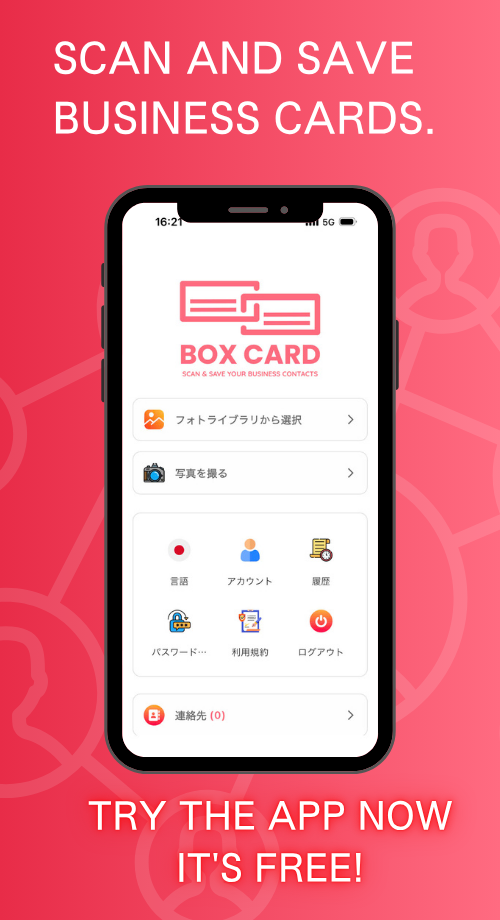
10. Boxcard - The AI-Powered Business Card Optimization App
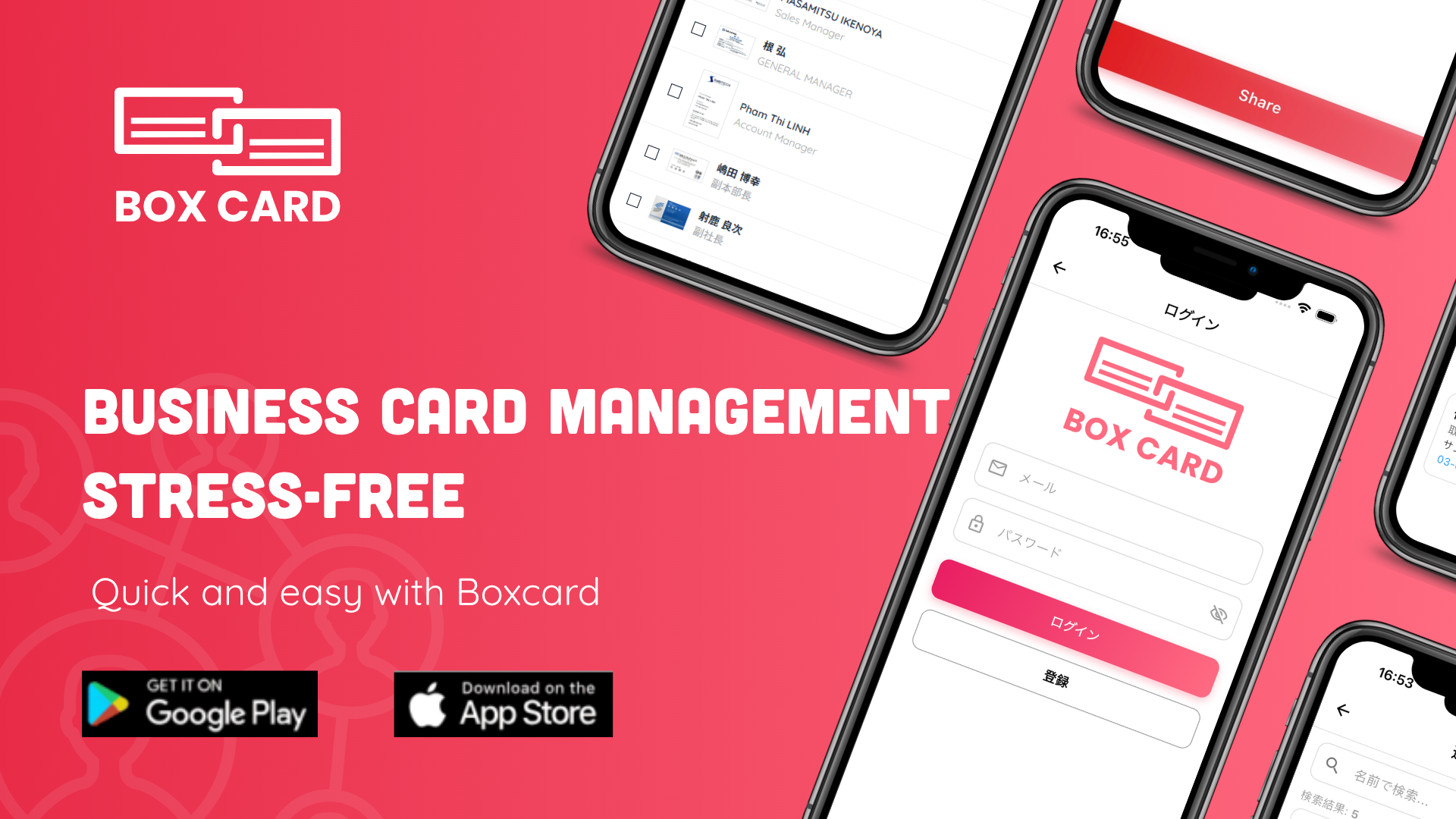
“Business card apps sound useful, but they’re often complicated, slow, or eventually require payment.”
If you’ve ever felt this way, BoxCard is a great option to consider.
Boxcard is designed with three key strengths in mind: simplicity, lightweight performance, and free access, making it easy for anyone to get started right away.
・Easy to use: Intuitive interface with no complicated setup
・Lightweight and fast: Smooth performance without lag
・Free to use: Core features available without hidden costs
・Multilingual support: Supports English, Japanese, Vietnamese, Korean, and Chinese (Simplified & Traditional)
What Makes BoxCard Different?
Many business card management apps offer advanced features but come with trade-offs such as high costs, complex interfaces, or heavy performance.
BoxCard takes a different approach by focusing on essential functionality with a seamless user experience:
・Streamlined workflow with minimal setup
・Fast scanning, organizing, and searching
・Core features fully accessible without requiring payment
As a result, BoxCard stands out by offering a balance between usability, performance, and cost-efficiency.
This makes it especially useful for professionals handling multilingual business cards or working in international environments.
Who Should Use BoxCard?
・Beginners looking for a simple solution
・Users who want a free and efficient tool
・Professionals managing multilingual contacts
・Anyone who prefers lightweight and easy-to-use apps
👉 Download BoxCard now on the App Store or Google Play and start managing your business cards more efficiently.
In 2026, business card design focuses less on decoration and more on clear communication and brand credibility. Minimal layouts, consistent branding, premium materials, and subtle digital features help create stronger first impressions. Modern business cards now represent professionalism, trust, and brand identity rather than serving only as contact tools.