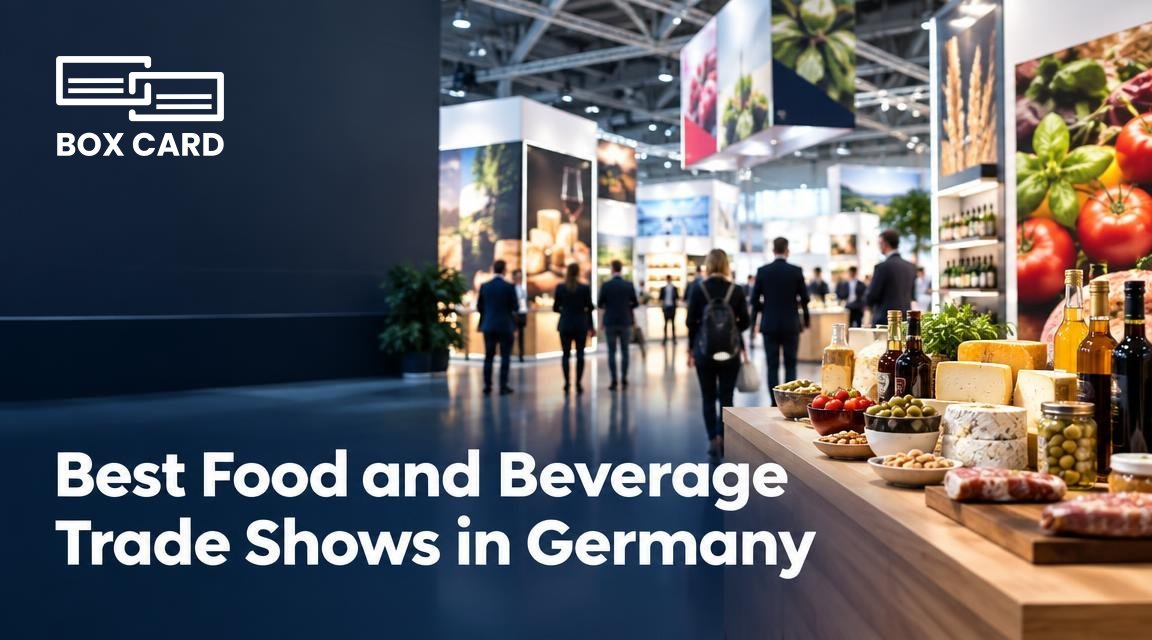
Best Food and Beverage Trade Shows in Germany
Not all food and beverage shows in Germany serve the same buyers. Choose the event that matches your goal, plan meetings in advance, prepare specific samples and documentation, and digitize contacts right away so follow-up converts leads into orders.
Choosing which food and beverage trade shows in Germany to attend depends on one simple question: what outcome will make the trip worth it? Do you want retail listings, hospitality customers, new suppliers, packaging partners, or trade buyers for drinks and snacks? This article lists the main shows by focus, explains who should attend each, and gives concrete preparation and follow-up advice so you get measurable results from the event.
Major shows and who they suit
-
Anuga (Cologne)
Focus: Broad retail and foodservice market, covering categories such as dairy, meat, chilled, frozen, organic, and retail technology. Who should go: food brands looking for retail or export deals, category managers, large suppliers, and foodservice distributors. What to expect: very large footprint and many national pavilions, buyers from supermarket chains, and formal meeting schedules. Tip: target the specific Anuga trade fair segment that fits your product and book meetings early because buyers’ schedules fill up fast.
-
Internorga (Hamburg)
Focus: Hospitality, catering, and HoReCa equipment and supplies. Who should go: producers of food for hotels, restaurant chains, caterers, beverage suppliers for bars and cafés, and service providers. What to expect: many practical demonstrations, menu and equipment buyers, and a strong focus on hospitality trends. Tip: bring tasting-ready samples and staff who can demo preparation under time pressure.
-
Fruit Logistica (Berlin)
Focus: Fresh produce, logistics, and supply chain. Who should go: exporters and importers of fresh fruit and vegetables, cold chain logistics providers, and retailers focused on fresh categories. What to expect: heavy emphasis on logistics, quality certification, and perishables handling. Tip: have certifications and supply-chain details ready, and be prepared to discuss lead times and cold chain capacity.
-
ProWein (Dusseldorf)
Focus: Wine, spirits, and trade distribution. Who should go: wineries, importers, distributors, sommelier services, and restaurant buyers. What to expect: extensive tasting sessions and international importer attendance. Tip: check customs and exhibition rules for sending samples, and prepare concise tasting notes in German and English.
-
ISM (Cologne)
Focus: Confectionery and snacks. Who should go: manufacturers of sweets, snacks, ingredients and packaging specialists for these categories. What to expect: trend spotting for new flavors and packaging formats, many brand and retail buyers for impulse categories. Tip: samples travel well for this show, but still verify exhibiting rules for food sampling.
-
IFFA (Frankfurt)
Focus: Meat processing, production technologies and ingredients for meat products. Who should go: equipment manufacturers, processors, technical buyers, and ingredient suppliers for processed meat. What to expect: technical discussions, engineering buyers, and strict hygiene and regulatory questions. Tip: bring technical specifications, compliance documentation, and personnel who can answer engineering questions.
-
BrauBeviale (Nuremberg)
Focus: Beverage production, ingredients, packaging and logistics for breweries and beverage manufacturers. Who should go: brewing equipment makers, ingredient suppliers, beverage brands and packaging companies. What to expect: trade buyers focused on production scale and packaging innovation. Tip: be ready to discuss production batches, scale-up timelines, and sustainability claims with concrete data.
-
FachPack (Nuremberg)
Focus: Packaging technology, materials and design. Who should go: food manufacturers that need new packaging solutions, designers, and sustainability teams. What to expect: packaging innovations, regulatory solutions and suppliers who can produce at scale. Tip: bring product samples or mockups to discuss package engineering and costs.
How to pick the right show for your objective
Match the show to the decision you want from the visit. Use this quick decision rule:
- If you want supermarket listings or large-scale export deals, prioritize Anuga.
- If you want hotel and restaurant channels, choose Internorga.
- If you need packaging partners or new materials, go to FachPack or ISM for confectionery packaging.
- If you supply or buy fresh produce, pick Fruit Logistica.
- If your goal is machinery, process tech or ingredients, attend IFFA or BrauBeviale.
- If you sell wine or spirits, ProWein is the focused marketplace.
Also consider timing and budget: large multi-category shows cost more in both stand fees and travel time, so attend them when you can commit to scheduled meetings with key buyers.
Practical preparation checklist
- Define measurable goals, for example: number of qualified contacts, number of follow-up meetings, or sample orders to ship within 30 days. Concrete goals keep follow-up targeted.
- Research the exhibitor and buyer list, then request meetings at least 6 to 8 weeks before the show. Many buyers set meeting schedules early.
- Create a short pitch and leave-behind materials, both in English and German if possible. Focus on benefits, price points, MOQ and lead times. Keep one simple technical sheet for supply chain or production questions.
- Plan samples and logistics. Confirm exhibition rules about sampling, labeling, and allergens. For perishables and alcohol, confirm customs and import limits for samples. Use minimal packaging for easy transport and disposal at the show.
- Staffing and language. Bring staff who can answer technical questions and a German speaker if you expect local retail or distributor conversations. Keep staff rotations short so everyone stays sharp during long show days.
- Lead capture system. Decide how you will capture contacts. For business cards, use an app to digitize and tag cards with the show name and notes so follow-up is organized. Boxcard, for example, can help digitize and store business card details and add tags or notes for later follow-up.
At the show: actions that turn meetings into orders
- Arrive early, keep meetings to 20 to 30 minutes so you can meet more people, and use a short qualifying checklist to prioritize leads.
- Ask buyers specific questions: what volumes they buy, timing for assortment reviews, labeling or certification requirements, and preferred distribution terms.
- Show quick price examples and sample availability. If a buyer asks for an exclusive or pilot, note the timeline and approval steps immediately.
- Attend conference sessions and evening networking events; many deals start in informal settings after the exhibition hall closes.
- Take clear notes about each meeting, ideally attached to the contact record. If you used a business card digitizing app, add a one-line meeting summary and next step tag before the end of the day.
Follow-up that converts
Trade show follow-up decides whether contacts become customers. Aim to follow up within 48 to 72 hours while the conversation is still fresh. Your follow-up sequence should be:
- Personalized email referencing the meeting, sample tasted, or specific question asked.
- Attach the exact information requested: price list, technical sheet, lead time, or certificate.
- Propose a clear next step and small deadline, for example a sample shipment by a certain date or a short video call to finalize terms within two weeks.
Tag and segment contacts by priority and next action so your sales team addresses high-priority leads first. Using a contact-management tool to store digitized business cards and notes makes this easier, especially after a busy show.
Common mistakes and how to avoid them
- Overbooking meetings without time to prepare. Schedule buffer time and leave at least 30 minutes each day for administrative follow-up and rest.
- Bringing too many staff with overlapping roles. Assign clear responsibilities: lead, demo, logistics, and note-taking.
- Failing to verify sample and customs rules. Check the show rules and local customs for perishables and alcohol before shipping anything to avoid delays or fines.
- Neglecting follow-up. Without timely, personalized follow-up, 70 percent or more of leads will go cold. Make follow-up part of the show budget and timeline.
Pick one or two shows a year that match your primary business goal, prepare to meet targeted buyers rather than 'see what happens', and treat post-show follow-up as part of your marketing campaign. If you collect physical business cards, digitize and tag them immediately so valuable contacts are actionable within days, not weeks.
Next practical step: choose the show that matches your objective, make a short prospect list of 15 to 25 exhibitors or buyers you want to meet, and schedule those meetings now. That focused approach delivers better returns than wandering the halls hoping for serendipity.