Best Real Estate Events in London for Business Networking
Pick one large show to widen your pipeline and one association or roundtable for deeper relationships. Prepare a 60 second script, target 10 priority contacts, digitise business cards immediately, and follow up within 48 hours to turn chats into deals.

Which London events really build real estate relationships?
You want two things from an event: meet the right people, and walk away with contacts you can turn into deals. London runs a constant stream of property gatherings. Some are trade shows full of stands and panels, some are focused dinners or roundtables, and some are small meetups where decisions get made. Below I explain the types of events worth your time, name reliable places to look for them, and give a practical playbook for getting the most value.
Events that deliver networking value and when to pick them
Not every event suits every goal. Choose based on who you need to meet and how you prefer to build relationships.
1. Large trade shows and expos
Why go: If you want to meet a broad cross section of the market quickly, including investors, developers, fund managers, suppliers, and service providers.
What to expect: Exhibition stands, short-stage talks, sponsor-hosted networking areas. Interaction is high volume but often shallow unless you plan a follow-up.
Where to look: The Property Investor Show, London Build Expo, and major publisher-run fairs often host large London editions. These shows are good for initial introductions and sourcing potential partners at scale.
2. Industry conferences and panels
Why go: For thematic, market-level insights plus access to senior decision makers. Conferences attract executives who speak or attend focused sessions.
What to expect: Longer sessions, Q and A, and curated networking breaks. A well-chosen conference puts you in the same room as operators and capital providers you might otherwise not reach.
Where to look: Conferences run by Property Week, Estates Gazette, and specialist bodies often take place in London. Look for agendas that match your sector, such as residential, commercial, or refurbishment.
3. Association events and roundtables
Why go: To meet practitioners and influence industry thinking. Associations such as RICS, the British Property Federation, and Urban Land Institute host member events and roundtables where discussion is deeper and contacts are senior.
What to expect: Smaller groups, moderated discussion, sometimes members-only. These are useful if you want reputation and long-term relationship-building rather than a one-off lead.
4. PropTech and specialist meetups
Why go: To meet start-ups, technology partners, and innovation-minded investors. PropTech gatherings are where practical pilots and partnerships begin.
What to expect: Demo evenings, pitch sessions, informal networking. Expect a mix of founders, product people, and corporate innovation teams.
5. Local investor and sector meetups
Why go: For hyper-local deal flow and active investors. These are often organised via Meetup, LinkedIn Groups, or private networks.
What to expect: Casual environments, quick introductions, and follow-up coffee meetings. Great for sourcing local partners or finding tenants and small-scale investors.
How to choose which events to attend
- Identify the contact type, not just the topic: Do you need equity, debt, a contractor, or a commercial tenant? Pick events that attract those roles.
- Match scale to purpose: Use trade shows for breadth, conferences for influence and insight, and roundtables for depth.
- Scan the agenda and speaker list: Prefer events where at least 20 to 30 percent of speakers or listed attendees are directly relevant to your current project.
- Assess follow-up potential: Events that publish attendee lists, enable meeting booking, or host structured networking increase conversion rates.
Practical preparation: three actions to multiply results
- Set clear outcomes. Before you buy a ticket, write a 30 day goal: one pilot partner, five qualified investor meetings, or three potential tenants. That goal decides which sessions to prioritise and whom to target.
- Research attendees and speakers. Use LinkedIn and the event platform to shortlist 10 people to meet. Send short pre-event messages offering a specific reason to chat, for example a one-line note about potential collaboration.
- Create a simple meeting script. A 60 second opener: who you are, the project or need, the specific ask, and one asset that proves credibility. This stops conversations drifting and helps you qualify quickly.
What to do at the event: behaviour that converts
- Lead with curiosity. Ask about the other person’s current priorities before pitching. People remember helpful, attentive listeners.
- Use micro commitments. Move from business card exchange to a specific next step: a 20 minute call, a site visit, or an introduction to a named colleague. Avoid vague promises to "keep in touch".
- Take structured notes. Record one sentence on why the contact matters, the agreed next step, and any deadlines. You can capture this on your phone or write it on the back of a business card.
Common mistakes and how to avoid them
- Collecting cards without follow-up, then wondering why nothing happens. Fix: schedule a follow-up within 48 hours while the meeting is fresh.
- Trying to meet everyone. Quality beats quantity. Focus on the shortlist and one or two serendipitous chats.
- Failing to bring a concise ask. If you cannot articulate the next step in one sentence, the other party will not commit.
Follow-up playbook that actually works
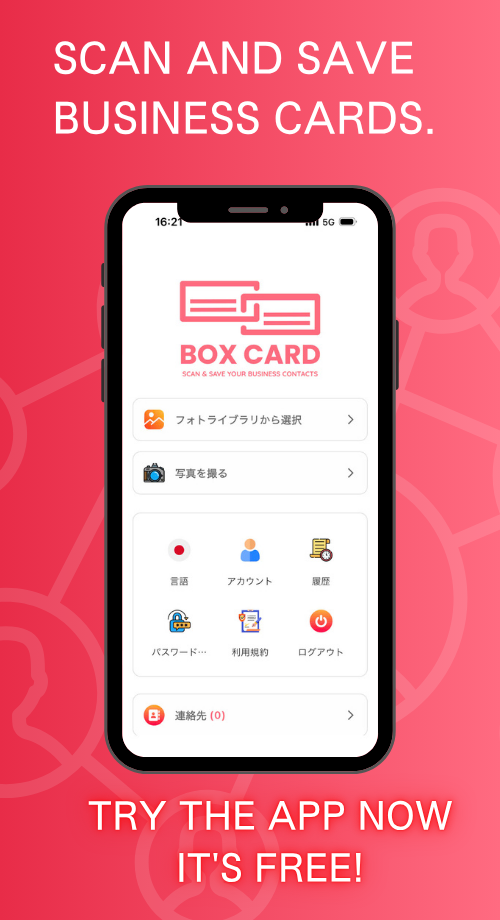
- Digitise and tag contacts immediately. Scan business cards or add contact details right after the event, and tag them by event name and priority. This prevents cards from being lost and makes later searches easy. A contact management app for business cards helps here.
- Send a short, personalised follow-up within 48 hours. Reference the conversation, restate the agreed next step, offer a calendar link for convenience, and attach a one page summary or link if relevant.
- Schedule the next step in the same email. Propose two time slots and ask which works, to avoid back and forth. If the next step is an introduction, say why the parties should connect and suggest an intro email template.
- Track and remind. Use your CRM or contact app to set reminders for three, seven, and 30 day follow-ups. Persist politely if there is genuine interest.
Using tech to keep the momentum
Apps for digitising business cards and managing contacts reduce friction. They let you tag contacts by event, add action items, and search for people by company, role, or project. If you handle dozens of new connections at a show, this kind of organised workflow is the difference between warm leads and lost opportunities.
Good networking is not a numbers game. It is a process: pick the right events, prepare, have short useful conversations, and follow up with intention.
Start by selecting a single goal and two events for the next 90 days: one large show to widen your pipeline, and one association or roundtable for deeper relationships. Prepare your 60 second script, pick 10 priority people to meet, and plan your 48 hour follow-up. That routine will turn London events from noisy calendar items into predictable business results.