Singapore Technology and IT Events 2027 for Business Networking and Partnerships
Choose the right Singapore events for 2027 based on the partnership you want, prepare targeted meeting requests, digitize business cards immediately, and follow a clear sequence of small commitments to convert conversations into pilots and contracts.
You need to attend the right Singapore events in 2027 to meet customers, partners, and investors, but not every conference is worth the travel and budget. This article helps you choose which tech and IT events to attend, how to prepare so you get meetings rather than just brochures, and how to turn introductions into concrete partnerships.
Which events to consider in Singapore in 2027
Below are recurring Singapore events and event families that typically attract the audiences companies seek for partnerships. I describe what each focuses on, who should attend, and the kinds of partnerships you can form there. Note that dates and formats vary year to year, so check each event's official site for 2027 details.
Singapore FinTech Festival
Focus: fintech, payments, banking, regulators, investors.
Who should attend: fintech startups, banks, payment providers, regulators, VCs, solution providers that sell to banks. Partnerships to pursue: pilot projects with banks, distribution agreements with payment processors, investor introductions.
SWITCH, Singapore Week of Innovation and Technology
Focus: deep tech, research commercialisation, startups, corporate innovation teams.
Who should attend: deep tech founders, R&D teams, corporate innovation leads, tech transfer offices. Partnerships to pursue: joint R&D, licensing agreements, corporate pilots.
CommunicAsia and ConnecTechAsia
Focus: telecom, 5G, edge computing, enterprise connectivity and cloud platforms.
Who should attend: telco vendors, system integrators, enterprise IT teams. Partnerships to pursue: channel partnerships with telcos, integration projects, co-selling agreements.
Cloud Expo Asia
Focus: cloud infrastructure, enterprise software, DevOps, data platforms.
Who should attend: cloud vendors, platform teams, MSPs, enterprise architects. Partnerships to pursue: reseller deals, migration services partnerships, joint Go To Market arrangements.
GovWare and cybersecurity events
Focus: cybersecurity technologies, government-grade security, threat intelligence.
Who should attend: security vendors, CISOs, managed security service providers. Partnerships to pursue: pilot deployments, MSSP relationships, technology integrations.
Tech in Asia Conference and startup events
Focus: startups, founders, regional investors, talent and ecosystem players.
Who should attend: early stage startups, VC firms, accelerators. Partnerships to pursue: fundraising, cofounder and talent introductions, regional expansion partners.
Seamless Asia and payments events
Focus: payments, e commerce, retail technology and digital banking services.
Who should attend: payments startups, merchants, e commerce platforms. Partnerships to pursue: merchant pilots, PSP integrations, merchant acquisition channels.
Beyond these, industry vertical summits — for example healthtech, edtech, logistics tech — are worth scanning. If your goal is partnerships rather than broad brand visibility, prioritize trade shows and conferences that publish exhibitor or attendee lists.
How to pick the right events for partnerships
- Define the partnership outcome. Do you want channel partners, pilots with enterprise customers, a strategic investor, or technology integrations? Each outcome points to different events.
- Match audience to outcome. If you need bank pilots, attend fintech-focused events. If you need MSPs, look at cloud and telco shows.
- Check attendee lists and exhibitor directories early. The presence of target companies is more important than a conference's general reputation.
- Prioritize events with meeting tools. Events that provide an app or meeting scheduler make booking one on one sessions easier.
- Balance cost and time. A two day event with targeted meetings can beat a five day show where you spend hours walking the floor.
Before the event: practical preparation checklist
- Research target companies and 10 specific people you want to meet. Use exhibitor lists, LinkedIn, and the event app.
- Book meetings ahead. Cold walkups sometimes work, but most useful conversations are scheduled. Aim for 6 to 10 quality meetings per day, not 30 superficial ones.
- Create a short value proposition: a 30 second pitch that explains what you do, who benefits, and a concrete partnership idea. Practice until it sounds natural.
- Prepare one tailored ask per meeting: pilot, proof of concept, reseller agreement, integration, due diligence follow up, etc.
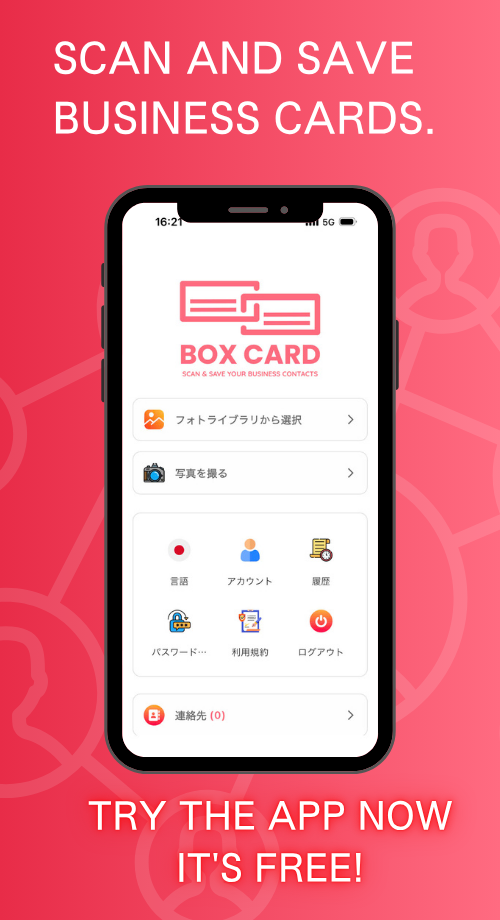
- Digitize business cards as you collect them. Use Boxcard or another scanner right after the meeting so you do not lose names, notes, or context. Tag contacts by event and intended next step.
- Pack meaningful collateral: one page technical sheet, pricing outline, and a concise slide deck trimmed to five slides for quick screen sharing.
During the event: tactics that turn conversations into partnerships
- Lead with a specific partnership idea. People respond better to a concrete proposal than to a general pitch. For example: "We can pilot our fraud detection module with 5,000 transactions per month, in exchange for a six month evaluation contract."
- Use the event app to book follow ups. Secure a time within 7 days after first contact to keep momentum.
- Take notes immediately. Use your phone or the Boxcard notes field to record what the contact cares about and the next steps. If you wait, memory fades and deals stall.
- Attend evening networking sessions selectively. One or two targeted receptions with the right crowd are more productive than trying to meet everyone.
- Offer something useful first. An introduction to a potential customer, a short technical review, or a pilot resource can open doors faster than asking for commitments.
Common mistakes to avoid
- Collecting business cards without context. If you do not note why the contact matters, follow up will feel generic.
- Failing to prebook. Expect many target people to be fully scheduled during the event week.
- Trying to close a large contract on the spot. Use the event to agree on a next step and timeline rather than negotiating full terms among noisy crowds.
- Relying on giveaways. Tech decision makers value time and relevance more than swag.
Templates you can use
Pre-event meeting request (LinkedIn or event app)
Hello [Name], I will be at [Event] in Singapore on [dates] and noticed your company is listed as an exhibitor. We help [brief outcome]. I would like 20 minutes to discuss a potential pilot for [specific problem]. Do you have availability on [two suggested times]?
Post-meeting follow up email
Hi [Name], thanks for meeting at [Event]. As discussed, here is a one page summary and the pilot scope we proposed. If this looks right, can we schedule a 30 minute call next week to finalize the success criteria? Best, [Your name]
Turning introductions into signed partnerships
After the event, act quickly. Within 48 hours send tailored follow ups, attach materials discussed, and propose specific next steps and dates. Track each contact by progress stage: introduced, qualifying, pilot agreed, contract negotiation, closed. Use a shared contact folder so your team sees the owner and status. If you used Boxcard to digitize business cards, export the contacts to your CRM or share them with teammates to prevent duplicate outreach.
Good networking creates a sequence of small, traceable commitments. A pilot, a technical evaluation, or a letter of intent are all valid steps toward a long term partnership.
If your objective is to build regional partnerships rather than immediate sales, consider delegating one team member to follow up and run pilots. For resource constrained startups, accept fewer meetings but make each one deeper and more structured.
Finally, measure outcomes from each event. Track the number of meetings that lead to a pilot or formal commitment, and use that ratio to decide which events to repeat in 2028. If an event yields few concrete leads despite heavy presence of your target audience, reallocate budget to smaller, more focused summits or curated roundtables.
Next step: pick the top two events above that match your partnership goal, book meetings using exhibitor lists or the event app, and digitize every business card as you meet people so follow up is quick and accurate.