Singapore Trade Shows 2027: The Best Events for B2B Business Connections
Choose 2 to 3 Singapore trade shows that match your buyer profile, schedule meetings before you travel, digitize business cards on-site, and send tailored follow-ups within 48 hours to convert conversations into pilots or deals.
Picking which trade shows to attend in Singapore can feel like choosing which meetings matter most to your pipeline. You want events that put you in front of decision makers, expose you to relevant partners or suppliers, and let you test demand for your product. This guide points to the best recurring Singapore trade shows for B2B technology companies in 2027, who should go, what to expect, and exactly how to turn short booth conversations into concrete commercial progress.
How to choose events before you book flights
Not every show delivers the same return. Before committing, answer three practical questions:
- Who are you trying to meet: buyers, channel partners, investors, or systems integrators?
- What stage is your company: prototype, early customers, or scaling with enterprise deals?
- What do you need from the show: brand awareness, pilot customers, distribution deals, or recruitment?
Match the event profile to those answers. For example, an enterprise security vendor seeking telco partnerships will get more value from an ICT-focused show than from a general innovation expo.
Top trade shows in Singapore for B2B tech in 2027
Singapore Tech Week
Focus: Broad technology ecosystem, public sector and enterprise innovation.
- Who should attend: enterprise software vendors, platform providers, public sector-focused startups, and consultants.
- What you can accomplish: meet government innovation teams, pilot partners, and regional enterprise buyers. The event blends conferences with curated meetings, which helps open conversations that lead to procurement pilots.
- How to prepare: target specific sessions and speakers, request meetings through the event platform early, and prepare a 3-line value statement that fits a public-sector or enterprise buyer context.
Singapore FinTech Festival
Focus: Financial services technology, payments, regtech, banking infrastructure.
- Who should attend: fintech startups, API and infrastructure providers, banks, and regulators.
- What you can accomplish: secure pilot pilots with banks or PSPs, validate compliance approaches with regulators, and find regional partners for distribution.
- How to prepare: bring compliance and security documentation, identify the banks or PSPs you want to meet, and show how your integration would work in a sandbox environment.
CommunicAsia and BroadcastAsia
Focus: Telecom infrastructure, networking, cloud services, media technologies.
- Who should attend: networking vendors, cloud service providers, media tech companies, and systems integrators.
- What you can accomplish: product demos for telcos and large enterprises, partnerships with channel resellers, and conversations about PoC or managed services deals.
- How to prepare: schedule demos, prepare use-case slides tailored to service providers, and have clear pilot success metrics to propose on the spot.
Cloud and Cyber Security Conferences / Expos
Focus: Cloud infrastructure, cybersecurity, data protection and resilience.
- Who should attend: security vendors, cloud service providers, MSPs, and enterprise security teams.
- What you can accomplish: get validation from security architects, recruit channel partners who sell managed security, and find customers interested in pilot deployments.
- How to prepare: organize threat models or case studies that show measurable risk reduction, and bring a short technical checklist for integration discussions.
Maritime and Aerospace Trade Shows
Focus: Technology applied to maritime logistics, aerospace systems, IoT for fleet management.
- Who should attend: IoT providers, avionics suppliers, logistics tech vendors, and maritime software companies.
- What you can accomplish: find OEM partners, pitch on-board or on-site IoT pilots, and meet procurement leads from shipping lines or airlines.
- How to prepare: translate your tech benefits into operational KPIs, and be ready to discuss long-term maintenance and data ownership.
How to use each event week effectively
Plan the week around three priorities: high-value meetings, visible demos, and rapid follow-up. A simple schedule template works well:
- Two weeks before: reach out to target companies through the event app or LinkedIn, request specific time slots, and confirm objectives for each meeting.
- Day of: execute 10 to 12 focused conversations, collect business cards, and scan new contacts immediately after each meeting to capture notes while fresh.
- Within 48 hours: send personalized follow-ups that reference a specific part of the conversation, attach any promised collateral, and propose one clear next step: a pilot, a technical call, or a quote request.
Turning booth conversations into real deals
Conversations at shows are valuable only if they move forward. Use this workflow to convert interest into measurable opportunities:
- Qualify on the spot: ask about budget, decision timeline, and technical constraints. If any of these are blockers, note them.
- Set a clear next step: choose one from these options - pilot proposal, technical integration call, or executive briefing - and put a tentative date on the calendar.
- Digitize contact information and context immediately: scan business cards, add 2 to 3 tags (company type, priority, product fit), and write a one-line reminder about why they are a lead.
- Follow-up cadence: 48 hours for materials, one week for a reminder if no reply, and two weeks to escalate to a phone call or a senior contact if the lead is high priority.
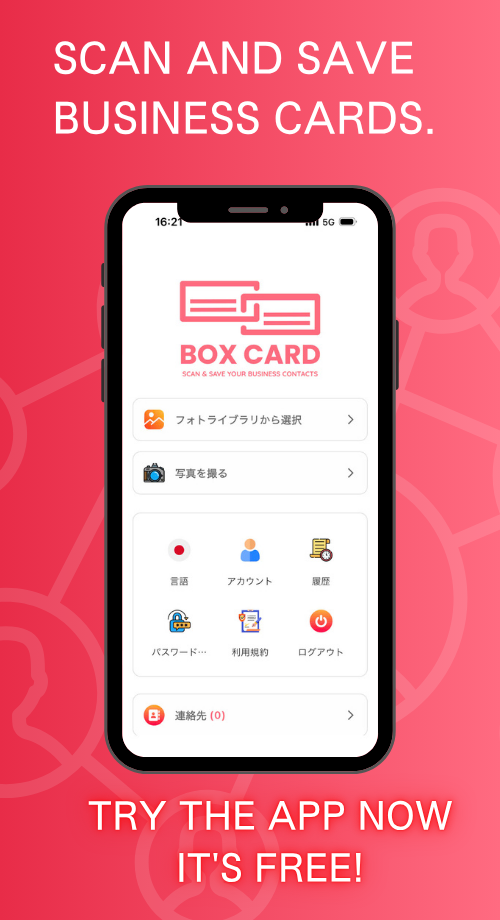
Digitization matters. Losing business cards or forgetting specifics is a common reason trade-show leads go cold. Use a card scanning tool such as Boxcard to capture contact details, add tags and notes, and export to your CRM. Scanning on-site means you can assign follow-up tasks the same day, which increases conversion rates.
Booth and pitch preparation that actually works
- Shorten your pitch: 30 seconds to explain value for the specific audience you expect, and 3 minutes for a demo that shows real outcomes.
- Bring proof points: concise case studies, references, or a demo script that maps to a buyer pain (downtime reduction, cost savings, regulatory compliance).
- Make demos resilient: use local environments or recorded sequences so network issues do not derail your demo.
- Staff the booth strategically: at least one person who can talk business and one technical person for deeper questions.
Common mistakes and how to avoid them
- Mistake: Treating card collection as the goal. Fix: Make each card a task with a next step and deadline.
- Missed prep: Not scheduling meetings before the show. Fix: Book the top 25 targets ahead of time, and use the event platform to stand out with a clear ask.
- Unclear success metrics: Not defining what a good outcome looks like. Fix: Define 3 measurable goals per event, such as number of qualified leads, pilot commitments, or partner introductions.
Practical checklist before you go
- Select 2 to 3 events that match your target buyer and stage.
- Create a 30-second pitch and a 3-minute demo script tailored to each event audience.
- Schedule meetings at least 2 to 4 weeks in advance, using the event tools and LinkedIn.
- Prepare a follow-up email template and a pilot proposal template to speed post-event responses.
- Install and test a business-card digitization app such as Boxcard, and plan to scan cards at the end of each meeting.
Trade shows are not just about visibility, they are short, intense buying cycles. Treat each conversation as a mini-deal and move quickly from interest to a specific next step.
If you need a starting point: pick one ecosystem event that connects you with buyers, and one vertical show where your product solves a clear operational problem. Book meetings before you travel, digitize contacts on the spot, and send a tailored follow-up within 48 hours. That discipline separates noise from deals.