Top Business Networking Events in Italy for Entrepreneurs and Professionals
A practical guide to the most useful networking events across Italy, with clear advice on which gatherings suit specific goals and a step-by-step plan to prepare, meet the right people, and follow up effectively.
You have a limited travel budget and a long list of places where you could spend a day meeting people. Which events in Italy actually connect entrepreneurs and professionals who can move your project forward? This article lists the most useful networking opportunities by type, explains who should attend each, and gives practical steps to get value before, during, and after the event.
National flagship gatherings worth planning for
- SMAU: A long-running technology and innovation event that draws startups, corporate innovation teams, and investors. Best if you want structured B2B meetings, product exposure, or to scout corporate partners. Expect exhibition booths, demo areas, and short pitch sessions.
- Web Marketing Festival: Focused on digital marketing and online business, this festival mixes talks, workshops, and networking. Good for marketers, founders building customer acquisition channels, and service providers who want leads and partnerships.
- Maker Faire Rome: A broad technology and maker fair where hardware entrepreneurs, designers, and educators meet. Useful if your business involves prototyping, IoT, robotics, or creative tech collaborations.
- Milano Digital Week: A city-wide program of talks, hands-on sessions, and informal meetups around digital transformation. It is ideal for professionals who want to connect with local companies, agencies, and civic tech groups.
- Salone del Mobile: The furniture and design trade fair in Milan. If you work in product design, retail, manufacturing, or interior projects, this is a high-value place for buyer meetings and dealer introductions.
- Vinitaly: The major wine trade fair in Verona. For entrepreneurs in wine production, distribution, hospitality, and export, this event is where trade deals and distributor relationships form.
City hubs and regular meetup networks
Not every useful connection comes from a large conference. Monthly meetups, chapter events, and local week-long programs can deliver steady, actionable relationships.
- Milan: Italy's finance and corporate hub. Look for investor demo days, marketing meetups, and sector-specific gatherings. Smaller panels and afterwork events often yield direct intros to decision makers.
- Rome: Strong in public sector, creative industries, and policy. Events here tend to attract professionals working with institutions and cultural projects.
- Turin and Bologna: Active startup scenes with regular pitch nights and tech meetups. Good places to recruit technical talent and meet early stage founders.
- Meetup groups, Startup Grind chapters, and TEDx events: These organizations run recurring, local events across Italian cities. They are useful for consistent networking and finding niche communities within your industry.
Sector trade shows that double as networking platforms
Trade fairs are focused on transactions, which makes them excellent for targeted B2B networking. Choose a trade show when you need buyers, suppliers, or industry partners.
- Food and beverage: Events like Cibus and regional food fairs concentrate buyers, retailers, and exporters.
- Manufacturing and industry: Shows such as MECSPE or similar events bring together suppliers, contract manufacturers, and production engineers.
- Design and ceramics: Events like Cersaie and Salone del Mobile are crucial if your product sits in design retail or interiors.
How to choose the right events for your goal
- Define the outcome: Are you looking for customers, partners, investors, talent, or market research? Conferences often help with visibility and investor scouting, trade shows help with sales and supplier discovery, and local meetups help with recruiting and partnerships.
- Match event format to your strengths: If your product benefits from demos, choose fairs with exhibitor space or demo slots. If your strength is conversation, smaller panels and workshops are better than large plenaries.
- Consider cost versus targeted access: Big national events cost more but give broad exposure. Local meetup sponsorships or hosting a dinner can produce a higher ratio of useful conversations for less money.
- Check the attendee list and agenda: A good sign is visible participation from the companies or roles you need to reach. Look for speaker lists, partner organizations, and exhibitor directories before you commit.
How to prepare, act, and follow up to get results
Showing up is not enough. The difference between a contact and an opportunity is what you do before and after the event.
Before the event
- Set three measurable objectives: for example, meet one potential investor, collect five qualified leads, and schedule two product demos.
- Research people and companies on the agenda. Note three conversation starters per person you want to meet.
- Prepare a concise pitch: 30 seconds about what you do, who you serve, and the specific ask you might make during the conversation.
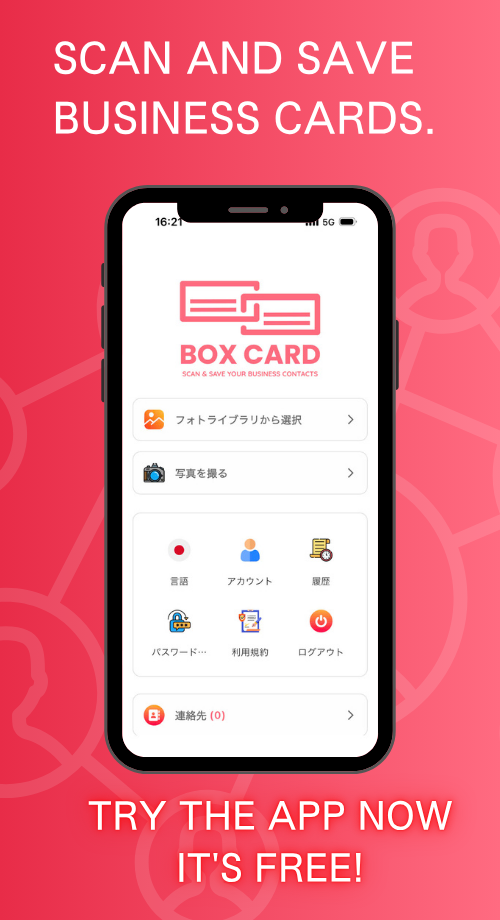
- Bring both physical business cards and a digital way to share contacts. Digitizing business cards on the spot simplifies follow-up and avoids lost information. Boxcard can help capture and organize contacts quickly so you can act while the connection is fresh.
At the event
- Arrive early to smaller sessions where it's easier to approach speakers and attendees.
- Listen first. Ask questions that reveal a person’s priorities, then explain how you can help or where you overlap.
- Limit pitch length. If interest appears, suggest a specific next step such as a coffee, a demo, or a short call with a clear time window.
- Take brief notes on the back of a card or in your phone immediately after each meeting so you remember context for follow-up.
After the event
- Within 48 hours, send a short personalized message that references your conversation and proposes one clear next step.
- Log each contact into your CRM or contact manager and tag them by priority and topic. If you used Boxcard to digitize cards, export contacts into your system to avoid manual entry.
- Schedule follow-ups on your calendar rather than leaving them as passive tasks. A follow-up planned within two weeks is more likely to turn into a meeting.
Common mistakes and how to avoid them
- Chasing badge scans instead of conversations. Quality beats quantity; aim for meaningful follow-up candidates rather than a high number of strangers.
- Not articulating a clear ask. Contacts are busy; tell them exactly how they can help or what next step you want.
- Delaying follow-up. Memory fades fast; use digitized cards and short notes to act quickly while the meeting is still fresh.
Pick one major national event aligned with your industry and add two local or sector-specific events in the next 12 months. Use those opportunities to test your pitch, meet targeted partners, and create a follow-up routine. If you want to stop losing paper cards and speed up post-event outreach, start digitizing contacts during the event and aim to complete your follow-up list within 72 hours.